
Divine Attributes that define God's Greatness in the Old and New Testaments
Power and Omnipotence
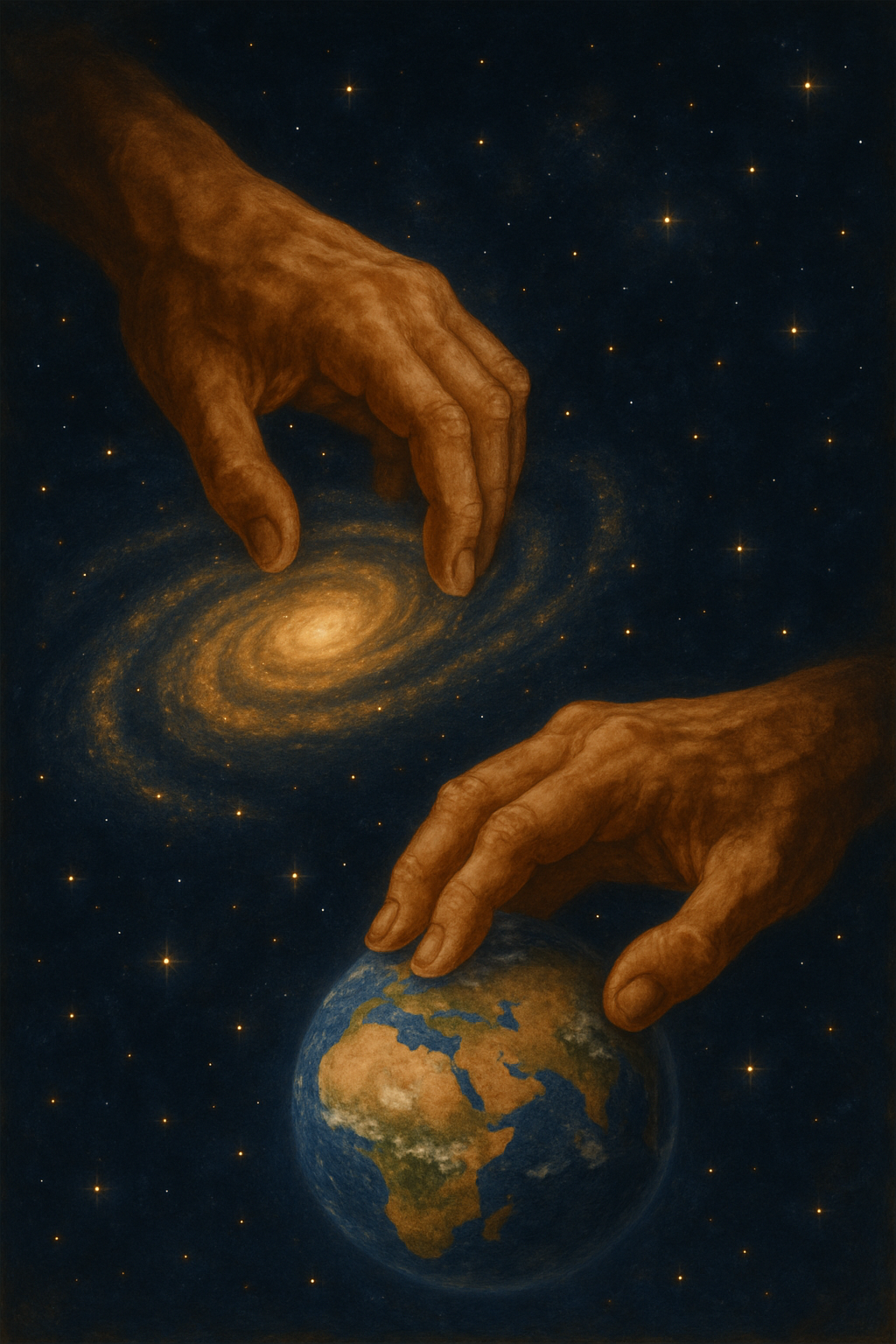
Old Testament – Creation and Might
Jeremiah 32:17 proclaims God’s omnipotence: “O Sovereign LORD, You made the heavens and earth by your strong hand and powerful arm. Nothing is too hard for you!” This verse emphasizes that God’s power in creation is limitless – nothing can thwart His will. King David praised the Lord in the presence of the whole assembly, “ Yours, O Lord, is the greatness, the power, the glory, the victory, and the majesty. Everything in the heavens and on earth is Yours, O Lord, and this is Your kingdom.” (1Chronicles 29:11)
New Testament – Divine Possibility
Jesus declares, “With God all things are possible” (Matthew 19:26) Likewise, Ephesians 3:20 speaks of God’s ability to "do immeasurably more than all we ask or imagine” by His mighty power. This highlights not only God's infinite power but also His active involvement in the lives of believers. These passages affirm the same truth: God is all-powerful (omnipotent), and is able to accomplish beyond human ability. Revelation 19:6 momentously declares God's power: "Hallelujah! For the Lord our God the Almighty reigns!"
Omniscience and Wisdom

Old Testament – All-Knowing
Psalm 147:5 powerfully illustrates God’s omniscience:
"Our Lord is great and very powerful. There is no limit to what He knows."
"Our Lord is great and very powerful. There is no limit to what He knows."
The psalmist marvels that God knows every detail of our lives; even our unspoken thoughts.
“O Lord, you have examined my heart and know everything about me. You know when I sit down or stand up. You know my thoughts even when I’m far away. You see me when I travel and when I rest at home. Psalm 139:1–3. Then, Psalm 147:5 declares that God Himself - in His greatness - is infinite, mighty, and limitless in His knowledge,"Great is our Lord, and mighty in power; His understanding has no limit."
New Testament – Perfect Knowledge
The New Testament similarly stresses that God knows all. “Nothing in all creation is hidden from God’s sight. Everything is uncovered and laid bare before the eyes of him to whom we must give account.” Hebrews 4:13 (NIV) This affirms God sees and knows everything, down to the depths of every heart, and assures us that nothing is hidden from Him. Romans 11:33 further declares, "Oh, how great are God’s riches and wisdom and knowledge! How impossible it is for us to understand His decisions and His ways!" God’s infinite wisdom, knowledge and understanding are central to His greatness in both Testaments.
Omnipresence

Old Testament – Everywhere Present
God’s universal presence is affirmed in Jeremiah 23:24: “Can anyone hide from me in a secret place? Am I not everywhere in all the heavens and earth?” says the Lord. Here the LORD Himself declares that He is both near and far – no place is beyond His presence. God, indeed, watches over and holds the earth in His hands!
New Testament – In Us and Around Us
Acts 17:28 conveys a similar idea: “For in Him we live and move and have our being.” This reminds us that all life exists within God’s sustaining presence. Together, these Scriptures show the continuity of omnipresence - that God is always present – with Israel in the wilderness and with His believers in every place.
Holiness and Otherness
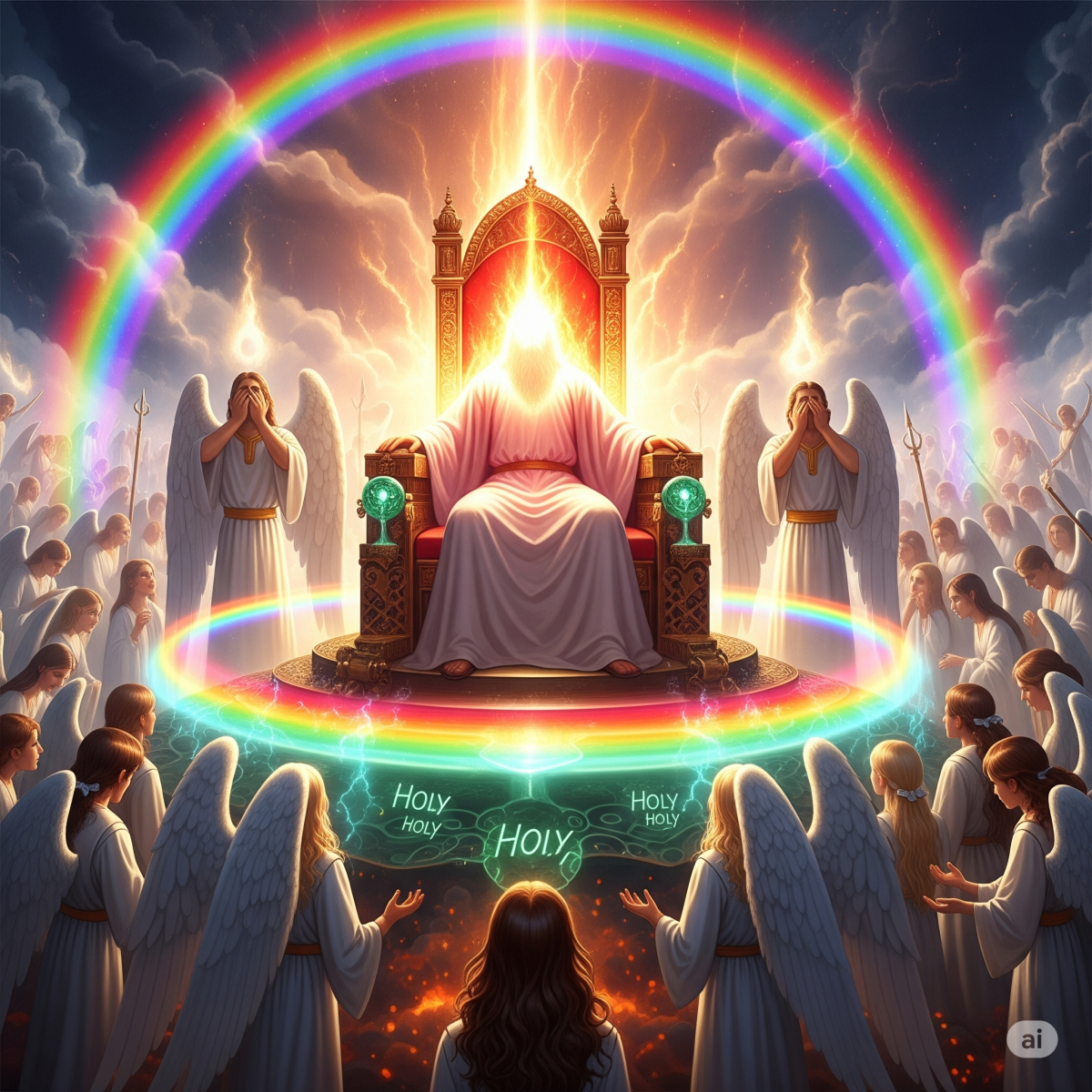
Old Testament – Holy, Holy, Holy
In Isaiah’s vision the angels cry out, “Holy, holy, holy is the Lord of Heaven’s Armies! The whole earth is filled with His glory!” (Isaiah 6:1-3) This OT proclamation emphasizes God’s unique perfection and separateness from creation.
New Testament – Call to Holiness
The NT reflects this by quoting God’s holiness as a standard: “Be holy, for I am holy” (1 Peter 1:16). Thus, God’s utter purity in Isaiah inspires God’s otherness and moral perfection which are consistently celebrated and imitated in both Testaments.
Justice and Righteousness
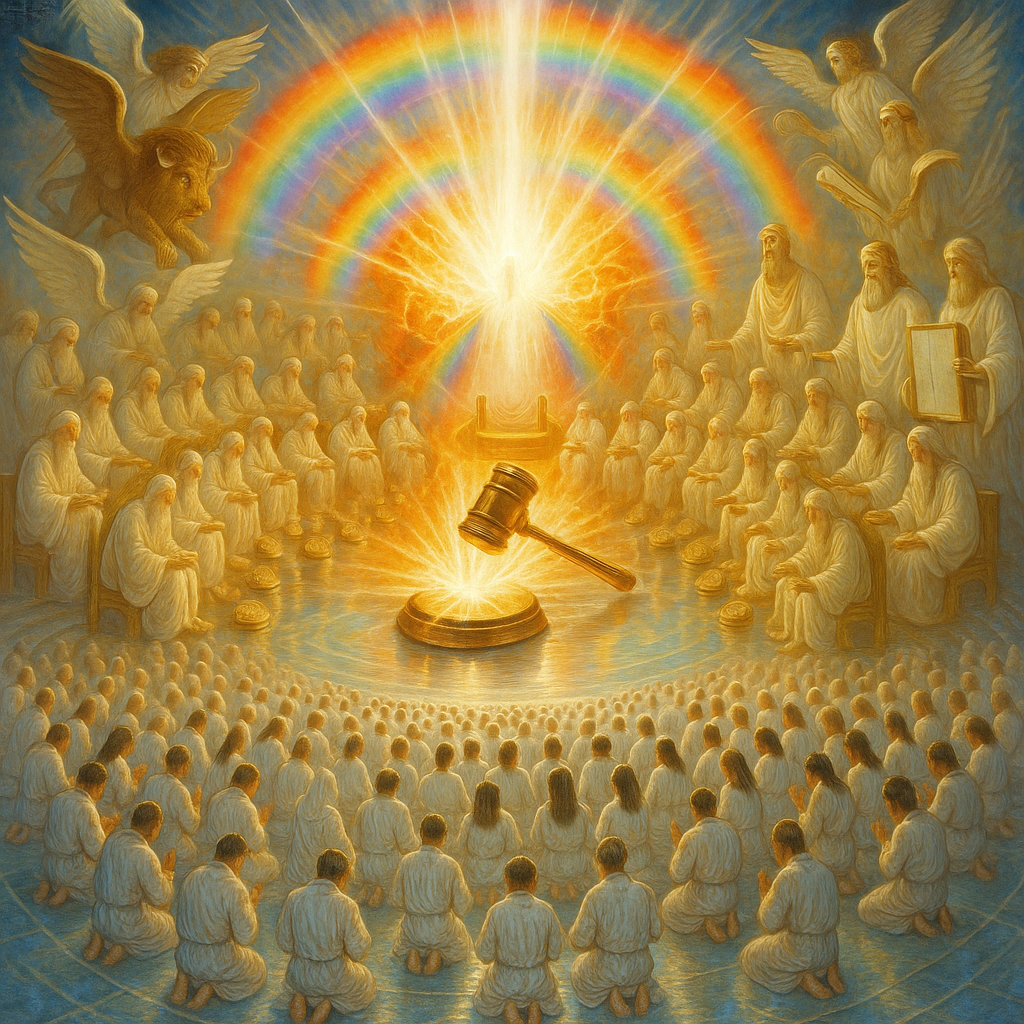
Old Testament – Perfect Justice
Deuteronomy 32:4 declares, “He is the Rock, His work is perfect; all His ways are justice. A God of faithfulness and without iniquity, just and upright is He.” This OT verse shows that all of God’s judgments and actions are always and completely fair and true.
New Testament – Just and True
In Revelation 15:3, the redeemed sing of the Lord, “Just and true are Your ways, O King of the nations!” This echoes Deuteronomy’s theme: God’s ways (including judgment) are righteous. Both passages affirm that God’s justice is an essential aspect of His greatness.
Mercy and Compassion
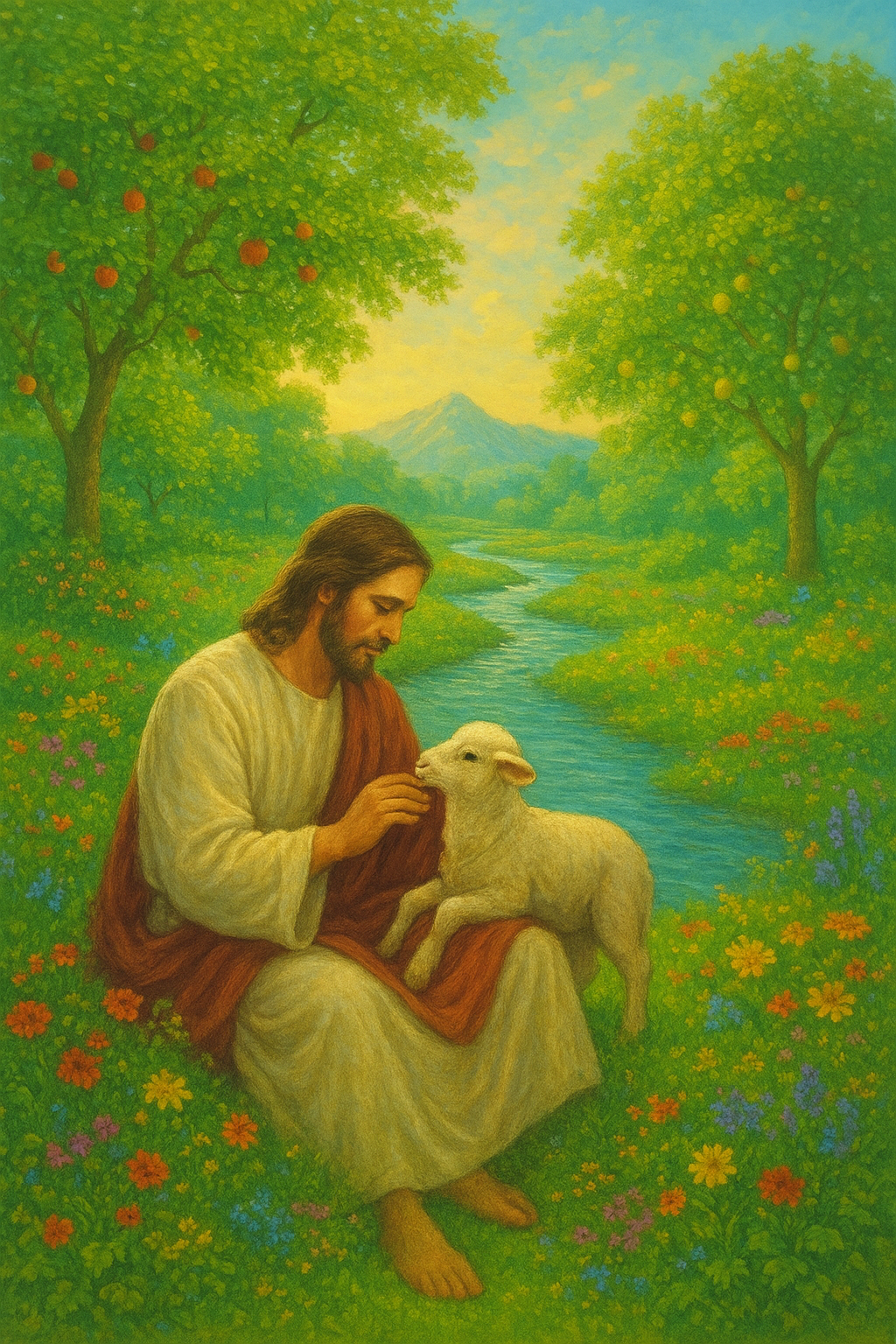
Old Testament – Steadfast Love
When God passed before Moses, He proclaimed Himself as “merciful and gracious, slow to anger, and abounding in steadfast love.” This key OT declaration (Exodus 34:6) portrays God’s compassion and forgiveness as intrinsic to His character. For God said to Moses, “I will show mercy to anyone I choose, and I will show compassion to anyone I choose.” (Exodus 33:19) In Hebrew, “steadfast love” often conveys God’s loyal, covenant love. This OT description underscores God’s great heart of love alongside His power.
New Testament – Call to Mercy
Jesus taught His followers, “Be merciful, even as your Father is merciful.” (Luke 6:36) This NT command assumes God’s mercy as the pattern for our own. Together, these verses show continuity: God’s mercy towards Israel in the Old Testament is matched by the Father’s compassion revealed by Christ, highlighting mercy as part of God’s greatness across Scripture. The apostle John plainly states, “God is love” (1 John 4:8) The NT builds on the OT’s language of God’s mercy and steadfast love by identifying love as the very essence of God.
Faithfulness and Covenant-Keeping

Old Testament – Ever-Faithful
Deuteronomy 7:9 says, “Know therefore that the LORD your God is God; He is the faithful God, keeping His covenant and steadfast love with those who love Him.” This verse highlights God’s unchanging faithfulness to His promises over many generations.
New Testament – God Is Faithful
Similarly, 1 Corinthians 1:9 declares, “God is faithful, by whom you were called into the fellowship of His Son Jesus Christ our Lord.” Both Scriptures affirm that God’s loyalty and trustworthiness / faithfulness are central to His greatness.

Continuity of God's Attributes in the OT and NT
Power and Omnipotence
This is echoed when Peter exhorts, “Be holy, for I am holy” showing God is completely set apart—perfect, pure, and righteous in all His ways. Thus, the absolute purity of God calls for the same attitude in His people in both Old and New Testaments.
Both Testaments ascribe supreme might to God. In the OT God demonstrates power by creating the world: "Ah, Lord God! It is you who have made the heavens and the earth by your great power... Nothing is too hard for you." (Jer. 32:17), delivering Israel from slavery, etc. God spoke galaxies into existence and sustains every atom!
In the NT Jesus’ ministry and resurrection affirm God’s power too: “with God all things are possible” (Matt. 19:26) This continuity shows that God’s omnipotence is consistent (from creation to new creation- spiritual transformation- in Christ).
Knowledge and Presence
In both Testaments, God is all-knowing and ever-present. Psalm 139 (OT) and 1 John 3:20 (NT) stress that God perceives all our thoughts. Psalm 147:5 states, " Great is our Lord, and abundant in power; his understanding is beyond measure."
He knows all things—past, present, future—and understands the hearts of all. Likewise, Jer. 23:24 (“I fill heaven and earth”) and Acts 17:28 (“in Him we live and move”) affirm His omnipresence. These show seamless continuity in how Scripture portrays God’s understanding and nearness.
Justice
Scripture maintains that God’s ways are always just. Deut. 32:4 and Rev. 15:3 alike declare His righteousness and true judgment.
The concept of divine justice anchors God’s greatness in both Testaments.
Mercy and Love
God’s fundamental love unites the Testaments. The OT repeatedly speaks of Yahweh’s steadfast love for His people (e.g. Psalm 103:8), and the NT proclaims “God is love.” (1 John 4:8)
His love is not just emotional, but sacrificial and eternal, shown fully in Christ.The New Testament reveals this love supremely in Christ (John 3:16), showing continuity in God’s caring nature.
Faithfulness
God’s promise-keeping nature carries from Old to New. Deuteronomy 7:9 and 1 Corinthians 1:9 each stress that God is faithful."The steadfast love of the Lord never ceases; his mercies never come to an end." (Lamentations 3:22-23)
God always keeps His promises, even when we falter. The NT teaches that God fulfilled His ancient covenants by sending Christ, so His faithfulness is celebrated throughout the Bible.
Holiness
The LORD’s utter holiness is a constant theme. Isaiah 6:3’s “Holy, holy, holy is the Lord of hosts; the whole earth is full of his glory!”
The LORD’s utter holiness is a constant theme. Isaiah 6:3’s “Holy, holy, holy is the Lord of hosts; the whole earth is full of his glory!”
This is echoed when Peter exhorts, “Be holy, for I am holy” showing God is completely set apart—perfect, pure, and righteous in all His ways. Thus, the absolute purity of God calls for the same attitude in His people in both Old and New Testaments.
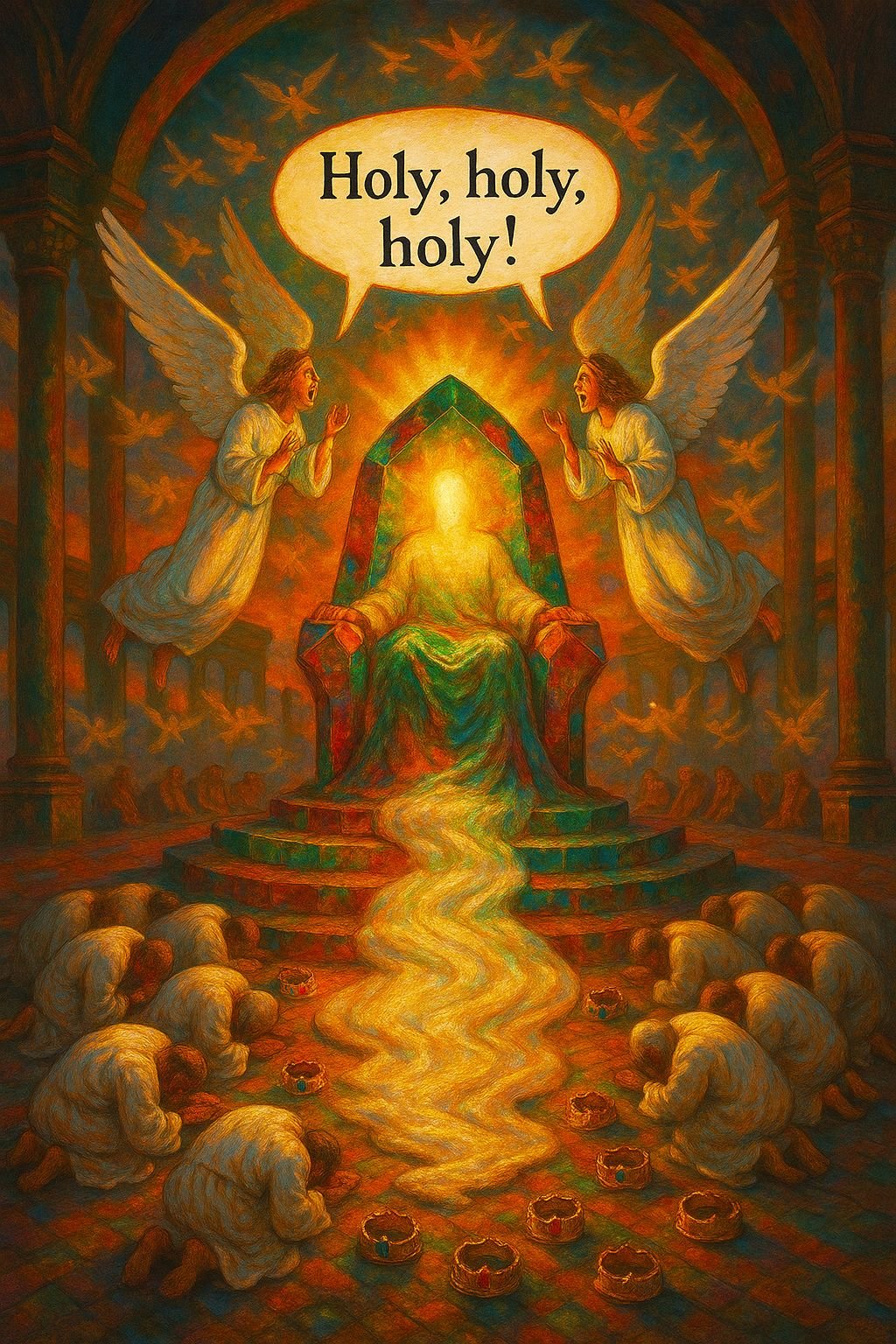
Each attribute above is illuminated by Scriptures in both Testaments, showing that the understanding of God’s nature is consistent and deepened from Old Testament foundations into New Testament revelation.
Sources
Key verses cited above are from Bible translations (NIV, NKJV, NLT, etc.) accessed via Bible Gateway and Bible Hub which provide the Scriptural text for each attribute.
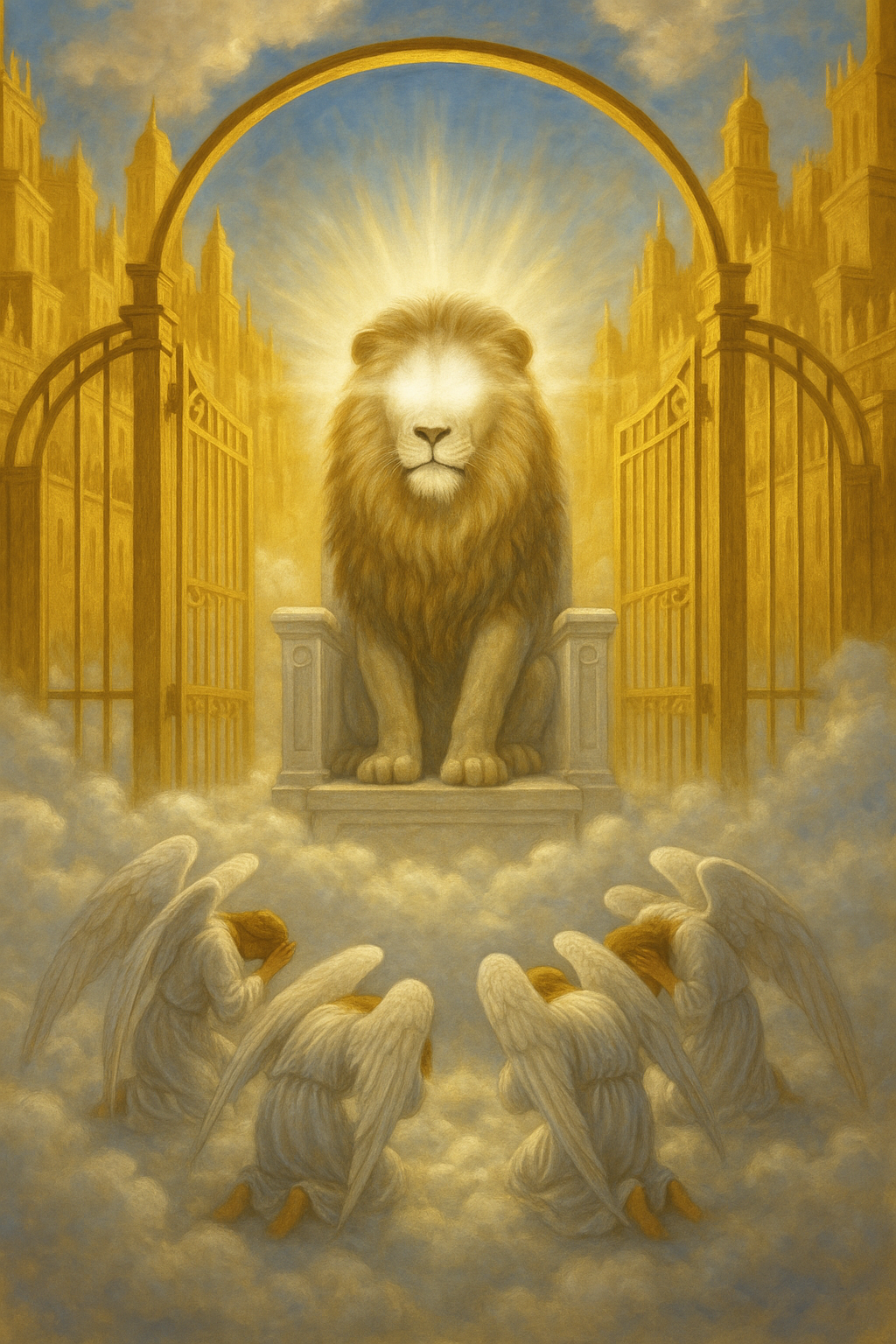
God reigns as King, supreme over history, nations, and personal lives." The Lord has established his throne in the heavens, and his kingdom rules over all." (Psalm 103:19)
In both Old and New Testaments, ending with Revelation, the LION has represented kingly power, strength, courage, and dominion.Visit here below to see the meaning and GREATNESS of this LION!
In both Old and New Testaments, ending with Revelation, the LION has represented kingly power, strength, courage, and dominion.Visit here below to see the meaning and GREATNESS of this LION!

God the GREAT Creator in the Beginning!
In the very beginning, God created the universe and set in motion His eternal plan for Jesus Christ to enter our time and space.